
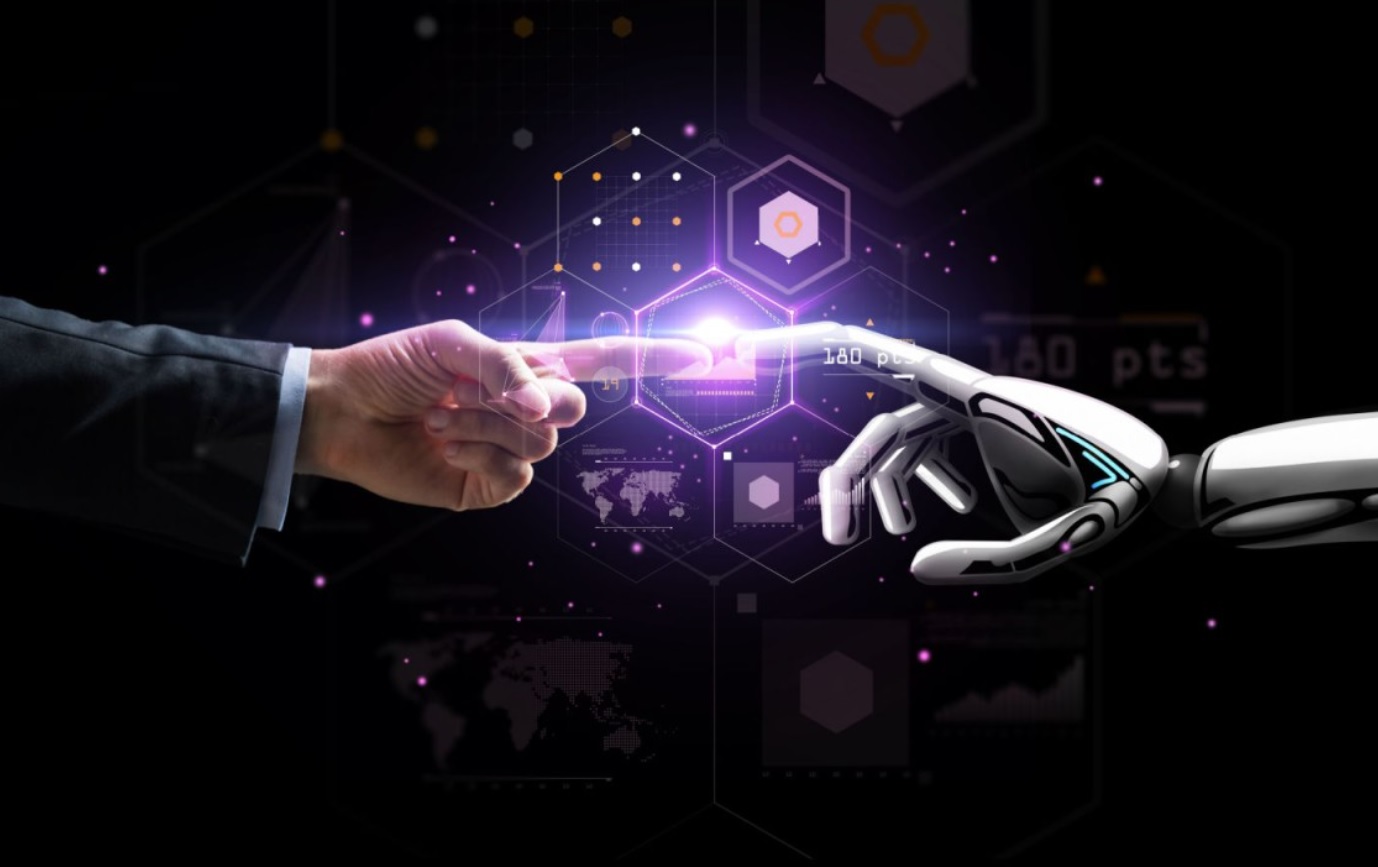
Artificial Intelligence (AI) is rapidly transforming the way businesses operate. From automating tasks to enhancing customer experiences, AI is becoming a vital tool for companies looking to stay competitive in an ever-evolving marketplace. Whether you’re running a small business or managing a large enterprise, AI can provide significant advantages by improving efficiency, decision-making, and innovation.
This comprehensive guide will walk you through how to use AI to improve your business. We’ll explore practical applications of AI, strategies for successful implementation, and the long-term benefits AI can bring to your operations. By the end of this post, you’ll have a clear roadmap on how to integrate AI technologies to optimize your business performance.
Understanding the Role of AI in Business
AI refers to technologies that enable machines to perform tasks that normally require human intelligence, such as learning, problem-solving, and decision-making. Businesses across industries are increasingly adopting AI to streamline processes, enhance customer service, and analyze vast amounts of data for actionable insights.
AI in business typically involves a combination of machine learning (ML), natural language processing (NLP), and automation. These technologies allow businesses to improve the accuracy and efficiency of their operations, reduce costs, and ultimately enhance customer experiences.
Key Benefits of Using AI for Business
Before diving into how AI can be applied in different areas of your business, it’s important to understand the core benefits it offers:
- Increased Efficiency: AI can automate routine tasks, such as data entry, customer service inquiries, and inventory management, freeing up employees to focus on more strategic activities.
- Cost Savings: By automating time-consuming processes, AI can help reduce labor costs and improve operational efficiency.
- Data-Driven Decision Making: AI can analyze large datasets quickly and accurately, providing insights that can inform smarter business decisions.
- Enhanced Customer Experience: AI can provide personalized recommendations, faster service, and more accurate support, improving overall customer satisfaction.
- Scalability: AI systems can handle growing workloads without the need for significant additional resources, making it easier to scale your business operations.
Practical Applications of AI in Business
AI can be applied in various areas of your business to drive improvements. Below are some of the most effective ways to leverage AI for business growth:
1. AI for Automating Routine Tasks
Automation is one of the most immediate benefits AI can bring to your business. AI-powered tools can take over repetitive, time-consuming tasks, allowing your employees to focus on more critical activities that require human judgment and creativity.
Examples of AI automation include:
- Data Entry and Processing: AI tools can automate data collection, organization, and analysis, significantly reducing the chances of errors and speeding up the process.
- Customer Support Chatbots: AI-driven chatbots can handle common customer queries 24/7, providing fast responses and freeing up customer service teams for more complex issues.
- Marketing Automation: AI can help automate marketing tasks such as email campaigns, social media posting, and customer segmentation, ensuring your marketing strategies are more targeted and effective.
2. AI for Data Analytics and Business Intelligence
AI is particularly useful for businesses that rely on data to drive decision-making. AI-powered data analytics tools can process massive amounts of data in real time, identifying trends, patterns, and anomalies that may not be obvious through traditional analysis methods.
With AI-driven analytics, businesses can gain actionable insights into customer behavior, market trends, and operational performance, allowing for more informed decision-making.
Key AI data analytics applications include:
- Predictive Analytics: AI can help forecast future trends based on historical data, allowing businesses to anticipate customer needs, optimize inventory, and plan marketing strategies.
- Customer Segmentation: AI can analyze customer data to group customers based on their behavior, preferences, and purchase history, enabling more personalized marketing and sales approaches.
- Operational Optimization: AI can monitor and optimize supply chain operations, production processes, and logistics to ensure efficiency and reduce costs.
3. AI for Enhancing Customer Experience
AI can significantly improve the way you interact with your customers, offering personalized experiences, faster support, and predictive insights. Companies that successfully integrate AI into their customer service strategies often see higher satisfaction rates and increased loyalty.
Some of the ways AI enhances customer experience include:
- Personalized Recommendations: AI can analyze customer behavior and preferences to offer personalized product or service recommendations, increasing sales and improving customer satisfaction.
- Virtual Assistants: AI-powered virtual assistants can answer customer inquiries, provide personalized guidance, and help with decision-making during the buying process.
- Sentiment Analysis: AI can analyze customer feedback, reviews, and social media mentions to gauge customer sentiment, allowing businesses to address issues proactively and improve their services.
4. AI for Marketing and Sales Optimization
AI is transforming marketing and sales strategies by providing deeper insights into customer behavior and enabling more effective, targeted campaigns. Businesses can use AI to optimize everything from lead generation to content marketing and sales forecasting.
Here are some ways AI can improve marketing and sales efforts:
- Lead Scoring: AI can analyze potential leads based on their behavior, engagement, and demographics, helping sales teams prioritize the most promising prospects.
- Content Personalization: AI-driven content personalization tools can tailor marketing messages and offers to individual customers based on their preferences and browsing history, improving conversion rates.
- Sales Forecasting: AI can analyze past sales data, market trends, and customer behavior to predict future sales performance, allowing businesses to allocate resources more effectively.
5. AI for Human Resources and Recruitment
AI can be a valuable tool in the human resources (HR) department, streamlining recruitment processes, enhancing employee training, and improving overall workforce management.
Some AI applications in HR include:
- Automated Recruitment: AI-powered recruitment tools can screen resumes, schedule interviews, and even conduct initial assessments, saving HR teams time and effort.
- Employee Training: AI can provide personalized training programs based on employees’ skills, performance, and career goals, helping to improve engagement and development.
- Employee Retention: AI can analyze workforce data to identify trends related to employee satisfaction, performance, and turnover, allowing businesses to address issues and retain top talent.
How to Implement AI in Your Business
Successfully integrating AI into your business requires careful planning and execution. Here are some steps to ensure a smooth AI implementation process:
1. Identify Key Areas for AI Integration
Start by identifying the areas of your business where AI can provide the most value. Whether it’s automating routine tasks, improving customer interactions, or optimizing decision-making, it’s essential to focus on the areas that will have the greatest impact on your business goals.
2. Choose the Right AI Tools
There are numerous AI tools and platforms available, each designed for specific applications. When selecting AI tools, consider factors such as ease of integration, scalability, and the specific needs of your business. Some popular AI platforms include IBM Watson, Google AI, and Microsoft Azure AI.
3. Train Your Employees
AI may require a shift in how your employees work, so it’s crucial to provide training and support as they adapt to new AI-powered systems. Encourage your team to embrace AI as a tool that enhances their productivity and decision-making capabilities.
4. Monitor and Optimize AI Performance
Once AI is implemented, it’s important to continuously monitor its performance to ensure it’s delivering the expected results. Regularly assess the effectiveness of your AI tools and make adjustments as needed to optimize performance.
Challenges of AI Adoption in Business
While AI offers numerous benefits, it’s not without challenges. Businesses should be aware of the potential hurdles they may face when adopting AI technologies:
- High Initial Costs: Implementing AI can require a significant upfront investment in technology and infrastructure.
- Data Privacy and Security: AI systems rely on vast amounts of data, raising concerns about data privacy and security. Businesses must ensure they comply with regulations such as GDPR and protect sensitive customer information.
- Employee Resistance: Some employees may be resistant to AI adoption due to fears of job displacement or a lack of understanding of the technology. Effective communication and training can help mitigate these concerns.
Conclusion
AI has the potential to revolutionize your business by improving efficiency, enhancing customer experiences, and driving data-driven decision-making. By carefully selecting the right AI tools and implementing them strategically, you can position your business for long-term success in a competitive market. Although challenges exist, the benefits of adopting AI far outweigh the risks, making it a worthwhile investment for businesses of all sizes.


